Empowering Island Communities Through Collaborative Projects
The concept of community work in island nations is a vivid tapestry woven from diverse cultural threads, ecological considerations, and the unique challenges faced by isolated populations. island community work community projects in vanuatu exemplify how collective efforts can foster resilience, sustainability, and social cohesion among island residents. This article delves into the critical aspects of community work in island settings, highlighting its significance, benefits, and real-life examples that illustrate its positive impact.
The Significance of Community Work in Island Nations
Island communities often face geographical isolation, limited resources, and environmental vulnerabilities. Community work plays a crucial role in addressing these challenges by empowering local populations to come together and take action towards common goals. The significance of community work in island nations can be understood through several key points:
- Promoting Resilience: By coming together to address shared challenges, island residents build social networks that enhance community resilience. Collaborative efforts can lead to better preparedness for natural disasters and environmental changes.
- Encouraging Sustainable Practices: Many island communities rely heavily on their natural resources. Community work often focuses on sustainable practices that ensure the preservation of these resources for future generations.
- Cultural Enrichment: Community projects often celebrate local culture, traditions, and languages, fostering a sense of identity and belonging among residents.
Benefits of Community Collaboration
The collaborative nature of community work brings numerous benefits that extend beyond immediate project outcomes. Some of the primary advantages include:
- Enhanced Social Cohesion: Working together towards common objectives strengthens social bonds and creates a sense of belonging among community members.
- Skill Development: Community projects provide opportunities for residents to learn new skills, ranging from project management to environmental stewardship.
- Increased Local Capacity: By actively participating in community projects, residents build capacity that empowers them to tackle future challenges independently.
Examples of Successful Community Work in Island Regions
Across the globe, numerous island communities have embarked on successful projects that exemplify the power of collective action. Here are a few notable examples:
1. Vanuatu – The Resilience Project
In Vanuatu, local communities have initiated various projects aimed at building resilience against climate change. The Resilience Project focuses on sustainable agriculture and disaster preparedness. Local farmers collaborate to share techniques for crop diversification and water conservation, helping ensure food security in the face of increasing climate variability.
2. Hawaii – Malama Aina
The Hawaiian islands have a rich tradition of community stewardship known as “Malama Aina,” which means “to care for the land.” Various community organizations engage in projects that restore native ecosystems, promote sustainable land use, and educate residents about environmental preservation. These initiatives not only support biodiversity but also empower local communities to take pride in their natural heritage.

3. Fiji – Community-Based Marine Management
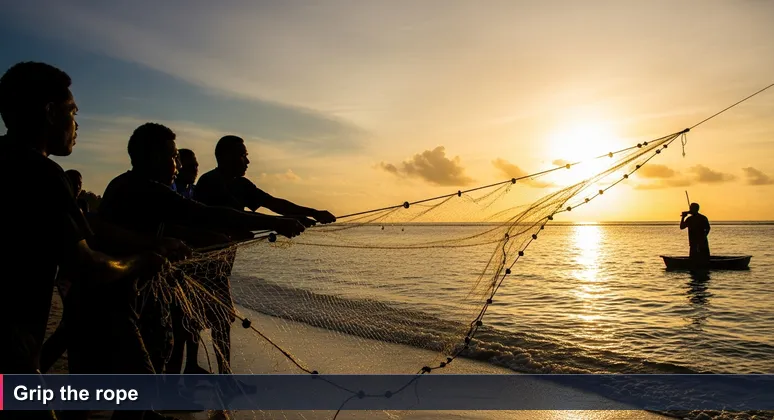
In Fiji, community-based marine management projects have emerged as effective approaches to preserving marine resources while empowering local fishermen. Through collaborative efforts, communities implement sustainable fishing practices, establish marine protected areas, and engage in research initiatives that inform policy decisions. This approach enhances food security while preserving the delicate marine ecosystems on which they depend.
The Role of External Support in Community Projects
While community work is largely driven by local initiatives, external support plays a pivotal role in enhancing the success of these projects. Partnerships with non-governmental organizations (NGOs), governmental bodies, and international agencies can provide necessary financial resources, technical expertise, and networking opportunities. Some benefits of external support include:
- Access to Funding: External support can help communities secure funding for projects that may not be feasible through local resources alone.
- Capacity Building: Training programs facilitated by external partners can equip community members with valuable skills and knowledge.
- Skill Sharing and Best Practices: Collaborating with external partners can introduce innovative approaches and best practices that benefit local communities.
Challenges Facing Island Community Work
Despite the numerous benefits, island communities often face challenges in implementing successful community projects. Some common issues include:
- Resource Limitations: Island communities frequently grapple with limited resources, including funding, materials, and human capital.
- External Pressures: Globalization and external economic pressures can undermine traditional practices and lead to the marginalization of local knowledge.
- Climate Change: The increasing frequency and intensity of climate-related events pose significant threats to the fragile ecosystems and livelihoods of island communities.
Future Directions for Island Community Work
Looking ahead, there is significant potential for enhancing community work in island nations. Some promising directions include:
- Integrating Technology: Leveraging technology can improve communication, enhance project management, and facilitate information sharing among community members.
- Strengthening Networks: Establishing strong networks among island communities can foster knowledge sharing and collaborative initiatives, amplifying their collective voice.
- Promoting Education: Educational initiatives focused on sustainability, cultural preservation, and community engagement can empower younger generations to take on leadership roles.
Conclusion
Community work in island nations thrives on collaboration, resilience, and cultural richness. Through collective efforts, communities can address their unique challenges while celebrating their heritage and protecting their environment. As more projects emerge—like those seen in Vanuatu, Hawaii, and Fiji—the transformative power of community work will continue to shape the future of island communities globally. By investing in social cohesion, sustainable practices, and external partnerships, these communities can pave the way for a more resilient and thriving future for generations to come.